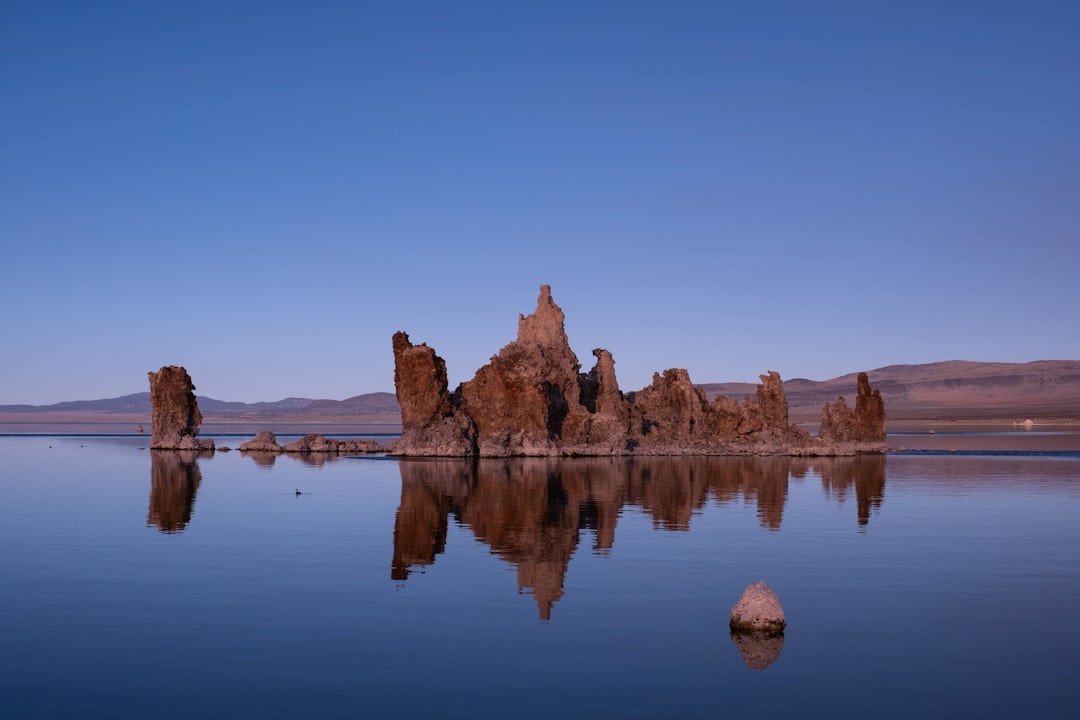
Black and white photography eliminates color to emphasize fundamental visual elements within an image. This technique directs viewer attention to composition, form, texture, and tonal relationships that might otherwise be overshadowed by chromatic information. The contrast between light and shadow becomes the primary tool for creating visual hierarchy and emotional impact.
Monochrome photography requires photographers to evaluate scenes based on tonal values rather than color relationships. This process involves analyzing how different elements translate into grayscale, considering factors such as luminance, contrast, and texture.
The medium’s emphasis on contrast and tone creates opportunities for dramatic visual effects. Highlights and shadows work together to define form and depth, while mid-tones provide transitional elements that contribute to overall image balance. This tonal range allows photographers to control mood and atmosphere through careful manipulation of light and exposure values.
Black and white photography’s enduring appeal stems from its ability to distill complex visual information into essential elements, creating images that communicate through fundamental principles of light, form, and composition.
Key Takeaways
- Black and white photography emphasizes contrast, texture, and emotion, creating timeless and powerful images.
- Understanding monochrome art involves appreciating light, shadow, and composition without the distraction of color.
- Monochrome portraits uniquely capture the essence and depth of subjects, highlighting their character.
- Techniques such as adjusting contrast and using lighting creatively are key to stunning monochrome photos.
- Embracing monochrome in the digital age allows photographers to blend traditional aesthetics with modern technology.
Understanding the Art of Monochrome
To truly appreciate monochrome photography, I have come to understand that it is not merely about stripping away color; it is an art form that requires a keen eye for detail and an understanding of light. The beauty of monochrome lies in its ability to simplify complex scenes, allowing me to focus on shapes, lines, and patterns that might otherwise be obscured by color. Each photograph becomes a canvas where I can express my vision through shades of gray, exploring the delicate balance between light and shadow.
As I experiment with monochrome photography, I find myself drawn to the subtleties of contrast. The way light interacts with surfaces can create stunning visual effects that are often lost in color photography. I have learned to appreciate the importance of tonal range, as it can dramatically affect the mood and atmosphere of an image.
By mastering the art of monochrome, I can transform ordinary scenes into extraordinary works of art that resonate with viewers on an emotional level.
Embracing the Timelessness of Monochrome

One of the most compelling aspects of monochrome photography is its timeless quality. When I look at black and white images from decades or even centuries past, I am struck by their ability to transcend time and trends. The absence of color allows these photographs to maintain their relevance, inviting viewers to connect with them on a fundamental level.
In a world that is constantly changing, monochrome serves as a reminder of the enduring nature of human experience. This timelessness is particularly evident in historical photographs, where the lack of color evokes a sense of nostalgia and reflection. As I explore these images, I am reminded that emotions and stories are universal, transcending cultural and temporal boundaries.
Monochrome photography has a unique ability to capture moments that resonate across generations, allowing me to connect with the past while also reflecting on my own experiences in the present.
Exploring the Contrast in Monochrome Photography
Contrast is at the heart of monochrome photography, and I have come to appreciate its role in creating striking images. The interplay between light and dark can evoke powerful emotions and draw attention to specific elements within a composition. When I frame a shot, I often consider how different tones will interact with one another, using contrast to guide the viewer’s eye through the image.
This careful consideration transforms my photographs into dynamic visual narratives that invite exploration. In my pursuit of contrast, I have learned to embrace both high-key and low-key techniques. High-key images are characterized by bright tones and minimal shadows, creating an airy and uplifting feel.
Conversely, low-key photography emphasizes deep shadows and dramatic highlights, resulting in a moody and intense atmosphere. By experimenting with these contrasting styles, I can convey different emotions and narratives within my work, showcasing the versatility of monochrome photography.
The Emotional Impact of Monochrome Images
| Metric | Value | Description |
|---|---|---|
| Mono Version | 6.12.0.122 | Current stable release of Mono runtime |
| Supported Platforms | Windows, Linux, macOS | Operating systems supported by Mono |
| CLR Compatibility | Partial | Compatibility with Microsoft .NET Common Language Runtime |
| Garbage Collector | SGen | Mono’s generational garbage collector |
| JIT Compiler | LLVM-based | Just-In-Time compiler used by Mono for performance |
| License | MIT | Open source license under which Mono is released |
| Primary Language | C# | Programming language primarily supported by Mono |
| Latest Release Date | 2024-05-15 | Date of the most recent stable Mono release |
The emotional resonance of monochrome photography is something I find deeply compelling. Without the distraction of color, viewers are often drawn into the emotional core of an image. The stark contrasts and rich textures can evoke feelings ranging from joy to melancholy, allowing me to communicate complex emotions through visual storytelling.
Each photograph becomes an opportunity to explore the human experience in all its intricacies. As I capture moments in monochrome, I am acutely aware of how light can shape emotions. A soft glow can evoke warmth and intimacy, while harsh shadows may create feelings of isolation or tension.
By manipulating these elements within my compositions, I can craft images that resonate with viewers on a visceral level. This emotional impact is what draws me to monochrome photography time and again; it allows me to express feelings that words often fail to capture.
Techniques for Creating Stunning Monochrome Photos
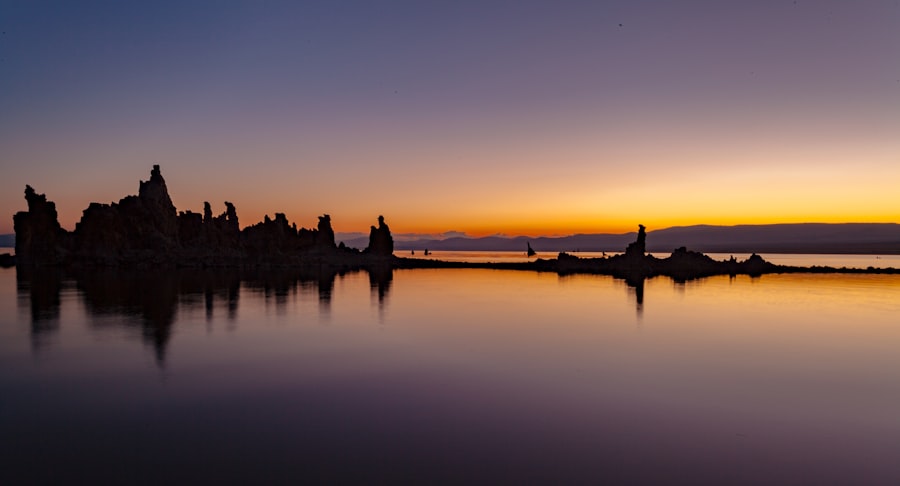
Creating stunning monochrome photographs requires a combination of technical skill and artistic vision. One technique I have found particularly effective is pre-visualization—imagining how a scene will translate into black and white before even pressing the shutter. This involves considering factors such as lighting conditions, textures, and potential contrasts within the scene.
By envisioning the final image in monochrome, I can make more informed decisions about composition and exposure. Post-processing also plays a crucial role in achieving striking monochrome images. Utilizing software like Adobe Lightroom or Photoshop allows me to fine-tune tonal ranges and enhance contrasts after capturing an image.
Techniques such as dodging and burning enable me to selectively lighten or darken areas within a photograph, adding depth and dimension. Through careful editing, I can elevate my monochrome images from simple captures to powerful works of art that truly reflect my vision.
Finding Inspiration in Monochrome
Inspiration for my monochrome photography often comes from various sources—nature, architecture, street scenes, or even everyday objects around me. I find that looking at the world through a black-and-white lens encourages me to see beauty in unexpected places. A simple shadow cast by a tree or the intricate patterns on a building can become captivating subjects when stripped of color.
This shift in perspective opens up new avenues for creativity and exploration. I also draw inspiration from renowned photographers who have mastered the art of monochrome imagery. The works of legends like Ansel Adams or Henri Cartier-Bresson serve as reminders of the power inherent in black-and-white photography.
Their ability to capture emotion and narrative through contrast inspires me to push my own boundaries and experiment with different techniques. By studying their compositions and approaches, I continually refine my own style while remaining true to my artistic voice.
Monochrome in Different Art Forms
Monochrome is not limited to photography; it permeates various art forms, each offering unique interpretations and expressions. In painting, artists like Kazimir Malevich explored the concept of pure abstraction through monochromatic canvases that challenge perceptions of form and space. Similarly, in sculpture, artists often use materials like stone or metal in their natural hues to emphasize texture and shape without relying on color.
As I engage with these different art forms, I find parallels between them and my own photographic practice. The principles of contrast, composition, and emotional resonance are universal across mediums. This interconnectedness inspires me to think beyond traditional boundaries and consider how monochrome can be applied creatively in various contexts—whether it’s through mixed media or digital art.
The Allure of Monochrome Portraits
Portraiture is one area where monochrome truly shines, allowing me to capture the essence of my subjects without distraction. In black-and-white portraits, facial expressions become more pronounced; every wrinkle or smile line tells a story that transcends age or background. The absence of color invites viewers to connect with the subject on a deeper emotional level, fostering empathy and understanding.
When photographing portraits in monochrome, I pay close attention to lighting conditions and how they interact with my subject’s features. Soft diffused light can create an ethereal quality, while harsh shadows may add drama and intensity. By experimenting with different lighting setups and angles, I can craft portraits that reveal not just how someone looks but who they are at their core.
Using Monochrome to Capture the Essence of a Scene
Monochrome photography has an incredible ability to distill complex scenes into their most essential elements. When I approach a landscape or urban environment with this mindset, I find myself focusing on shapes, lines, and textures rather than colors that might otherwise compete for attention. This simplification allows me to convey the essence of a scene more powerfully than if it were presented in full color.
In capturing landscapes in black-and-white, I often seek out dramatic skies or interesting foreground elements that create depth within the composition. The interplay between light and shadow can transform an ordinary scene into something extraordinary—an ethereal moment frozen in time that invites viewers to immerse themselves fully in its beauty.
Embracing Monochrome in the Digital Age
In today’s digital age, embracing monochrome photography has never been easier or more accessible. With advanced editing software at my fingertips, I can experiment with various techniques to achieve stunning black-and-white images from my digital captures. The ability to convert color photographs into monochrome opens up new creative possibilities; it allows me to revisit old images with fresh eyes and reimagine them through a different lens.
Moreover, social media platforms provide an excellent avenue for sharing my monochrome work with a global audience. Engaging with fellow photographers who share my passion for black-and-white imagery fosters a sense of community where we can exchange ideas and techniques. As technology continues to evolve, so too does my understanding of how best to utilize these tools while remaining true to the timeless allure of monochrome photography.
In conclusion, black-and-white photography holds an enduring power that transcends time and trends. Through understanding its artistic nuances and embracing its emotional depth, I find myself continually inspired by this timeless medium. Whether capturing portraits or landscapes, exploring contrasts or seeking inspiration from other art forms, monochrome remains an integral part of my photographic journey—a journey that invites me to see the world anew through shades of gray.
FAQs
What is mono?
Mono, short for infectious mononucleosis, is a contagious viral infection typically caused by the Epstein-Barr virus (EBV). It is characterized by symptoms such as fatigue, fever, sore throat, and swollen lymph nodes.
How is mono transmitted?
Mono is primarily spread through saliva, which is why it is often called the “kissing disease.” It can also be transmitted through sharing drinks, utensils, or exposure to coughs and sneezes from an infected person.
What are the common symptoms of mono?
Common symptoms include extreme fatigue, fever, sore throat, swollen tonsils, swollen lymph nodes in the neck and armpits, headache, skin rash, and swollen spleen.
Who is most at risk of getting mono?
Mono most commonly affects teenagers and young adults, especially those between the ages of 15 and 24. However, people of any age can contract the infection.
How is mono diagnosed?
Diagnosis is usually based on symptoms and physical examination. Blood tests, such as a complete blood count (CBC) and specific antibody tests for Epstein-Barr virus, can confirm the diagnosis.
Is there a treatment for mono?
There is no specific antiviral treatment for mono. Management focuses on relieving symptoms through rest, hydration, pain relievers, and fever reducers. Severe cases may require corticosteroids.
How long does mono last?
Symptoms of mono typically last for 2 to 4 weeks, but fatigue can persist for several more weeks or even months in some cases.
Can mono cause complications?
While most cases resolve without serious issues, complications can include an enlarged spleen, liver inflammation, anemia, or, rarely, neurological problems.
Can you prevent mono?
Preventing mono involves avoiding sharing drinks, food, or personal items with infected individuals and practicing good hygiene, such as regular handwashing.
When should someone see a doctor for mono?
Medical attention should be sought if symptoms are severe, such as difficulty breathing or swallowing, extreme fatigue, persistent high fever, or abdominal pain indicating possible spleen enlargement.