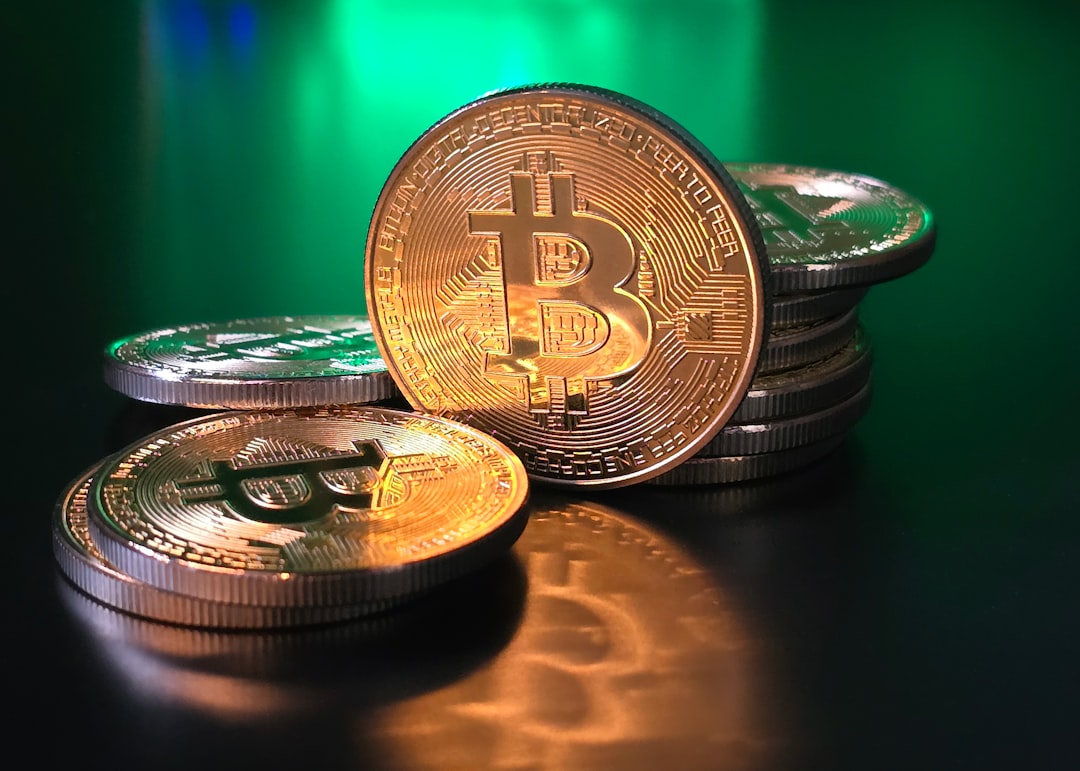
Bitcoin, introduced in 2009 by the pseudonymous Satoshi Nakamoto, was the first decentralized digital currency operating independently of governmental or financial institutional control. Initially met with widespread skepticism, Bitcoin has gradually established legitimacy as a currency with global recognition. The evolution of Bitcoin has been characterized by significant developmental stages that have enhanced its acceptance worldwide.
From its early applications in specialized online transactions, Bitcoin has expanded to become a recognized asset. Evidence of its growing influence includes the increasing number of merchants accepting Bitcoin payments and the proliferation of Bitcoin ATMs globally. Additionally, institutional investment in Bitcoin has strengthened its position within the financial ecosystem.
This digital currency, created to promote financial independence, has evolved into a significant innovation in the global economic landscape.
Key Takeaways
- Bitcoin has emerged as a significant global currency, influencing financial markets worldwide.
- Its decentralized blockchain technology offers secure, transparent, and efficient transaction advantages.
- Bitcoin challenges traditional banking by enabling peer-to-peer transactions without intermediaries.
- Regulatory uncertainty and environmental concerns pose ongoing risks to Bitcoin’s widespread adoption.
- Increasing integration into daily life and investment portfolios highlights Bitcoin’s growing social and economic impact.
The Advantages of Using Bitcoin for Transactions
One of the most compelling reasons I find Bitcoin appealing is its potential to revolutionize transactions. Unlike traditional currencies, Bitcoin operates on a decentralized network, which means that transactions can occur without the need for intermediaries like banks. This not only reduces transaction fees but also speeds up the process significantly.
I have experienced firsthand how sending money across borders can be cumbersome and expensive with conventional banking systems. With Bitcoin, I can send funds to anyone in the world within minutes, often at a fraction of the cost. This efficiency is particularly beneficial for individuals in developing countries who may not have access to traditional banking services.
Another advantage that stands out to me is the level of security and privacy that Bitcoin transactions offer. Each transaction is recorded on a public ledger known as the blockchain, which ensures transparency while maintaining user anonymity. This duality is something I find fascinating; I can conduct transactions without revealing my personal information, which is increasingly important in today’s digital age where data breaches are all too common.
Additionally, the immutable nature of blockchain technology means that once a transaction is confirmed, it cannot be altered or reversed. This feature provides me with peace of mind, knowing that my transactions are secure and tamper-proof.
The Impact of Bitcoin on Traditional Banking Systems
As I observe the growing adoption of Bitcoin, I can’t help but consider its implications for traditional banking systems. The rise of this digital currency has prompted banks to reevaluate their roles in the financial ecosystem. For years, banks have acted as gatekeepers of financial transactions, but with Bitcoin’s decentralized nature, their authority is being challenged.
I have seen banks begin to adapt by exploring blockchain technology and even offering cryptocurrency services to their clients. This shift indicates that they recognize the potential disruption that Bitcoin poses and are attempting to stay relevant in an evolving landscape. However, this transformation is not without its challenges.
Traditional banks have long relied on transaction fees and interest rates as primary revenue sources. With Bitcoin’s low transaction costs and peer-to-peer nature, I wonder how banks will sustain their business models in the face of this competition. Some institutions may choose to embrace Bitcoin and integrate it into their services, while others may resist change and risk becoming obsolete.
As I reflect on this dynamic, it becomes clear that Bitcoin is not just a currency; it is a catalyst for change that could redefine the very foundation of banking.
The Role of Blockchain Technology in Bitcoin’s Success
At the heart of Bitcoin’s success lies blockchain technology, which serves as the backbone of this revolutionary currency. When I first learned about blockchain, I was captivated by its potential to transform various industries beyond finance. Essentially, blockchain is a distributed ledger that records all transactions across a network of computers.
This decentralized approach eliminates the need for a central authority and enhances security through cryptographic techniques. Understanding this technology has deepened my appreciation for Bitcoin and its underlying principles. The transparency and immutability offered by blockchain are key factors contributing to Bitcoin’s appeal.
This feature not only ensures accountability but also fosters trust among users. As I engage with Bitcoin and witness its growing acceptance, I realize that blockchain technology is not merely a supporting actor; it is the driving force behind Bitcoin’s legitimacy and success.
Its potential applications extend far beyond cryptocurrency, paving the way for innovations in supply chain management, healthcare, and even voting systems.
The Potential Risks and Challenges of Using Bitcoin
| Metric | Value |
|---|---|
| Current Price | 29,500 |
| Market Cap | 570 Billion |
| 24h Trading Volume | 35 Billion |
| Circulating Supply | 19 Million BTC |
| Total Supply | 21 Million BTC |
| All-Time High | 68,789 |
| All-Time Low | 67.81 |
| Hash Rate | 250 EH/s |
| Block Time | 10 minutes |
| Transaction Volume (24h) | 350,000 BTC |
Despite my enthusiasm for Bitcoin, I am acutely aware of the potential risks and challenges associated with its use. One significant concern is price volatility; the value of Bitcoin can fluctuate dramatically within short periods. I have seen instances where investors have experienced substantial gains one day only to face steep losses the next.
This volatility can deter individuals from using Bitcoin as a stable medium of exchange or store of value. As someone who values financial stability, I often find myself weighing the risks against the potential rewards when considering investments in cryptocurrencies. Another challenge that looms over Bitcoin is regulatory uncertainty.
Governments around the world are grappling with how to approach cryptocurrencies, leading to a patchwork of regulations that can vary significantly from one jurisdiction to another. As I navigate this landscape, I find myself questioning how regulations will evolve and what impact they will have on Bitcoin’s future. While some countries embrace cryptocurrencies and create favorable environments for innovation, others impose strict regulations or outright bans.
This inconsistency creates an atmosphere of uncertainty that can hinder widespread adoption and acceptance.
The Future of Bitcoin in the Financial Market
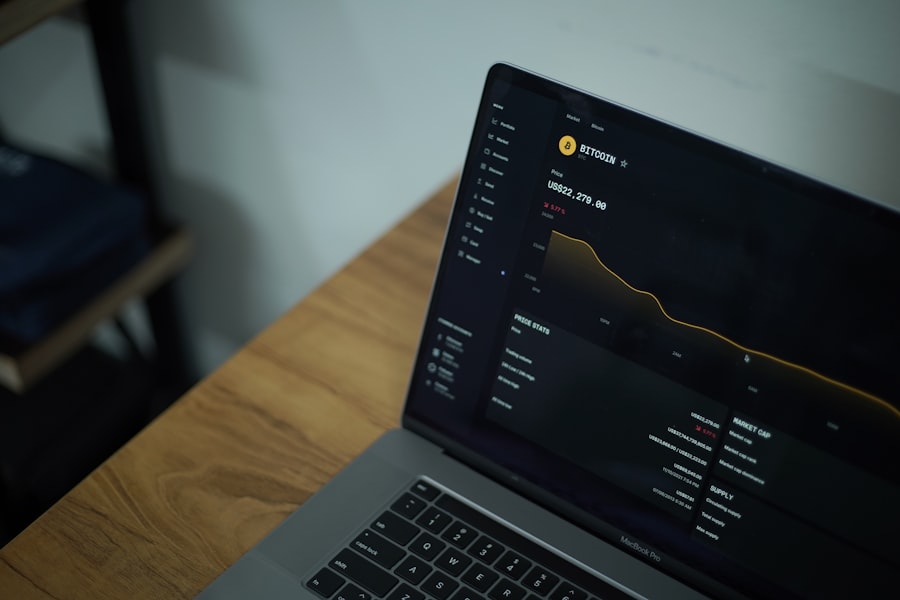
As I contemplate the future of Bitcoin in the financial market, I am filled with both excitement and apprehension. On one hand, I see immense potential for growth and integration into mainstream finance. Major companies are beginning to accept Bitcoin as payment, and institutional investors are increasingly allocating funds to cryptocurrencies as part of their portfolios.
This trend suggests that Bitcoin may continue to gain legitimacy and acceptance among traditional financial players. However, I also recognize that challenges remain; regulatory hurdles and market volatility could impede its progress. Looking ahead, I envision a future where Bitcoin coexists with traditional currencies rather than completely replacing them.
As more people become educated about cryptocurrencies and their benefits, I believe we will see increased adoption among consumers and businesses alike. The development of user-friendly wallets and payment solutions will further facilitate this transition. However, for this vision to materialize, it will be crucial for stakeholders—governments, financial institutions, and users—to collaborate in creating a stable regulatory framework that fosters innovation while protecting consumers.
Government Regulations and Bitcoin’s Legal Status
The legal status of Bitcoin varies significantly across different countries, which adds another layer of complexity to its adoption. In some jurisdictions, governments have embraced cryptocurrencies and established clear regulations to govern their use. In contrast, other nations have taken a more cautious approach or outright banned cryptocurrencies altogether.
As someone who closely follows these developments, I find it fascinating how regulatory frameworks can shape the trajectory of Bitcoin’s growth. In my view, effective regulation is essential for fostering trust in cryptocurrencies while ensuring consumer protection. Governments must strike a balance between encouraging innovation and mitigating risks associated with fraud and money laundering.
As I observe ongoing discussions among policymakers worldwide regarding cryptocurrency regulations, I am hopeful that we will see more harmonized approaches emerge over time. Such collaboration could pave the way for greater acceptance of Bitcoin as a legitimate form of currency and investment.
The Environmental Impact of Bitcoin Mining
One aspect of Bitcoin that often raises eyebrows is its environmental impact due to energy-intensive mining processes. As I learned more about how new bitcoins are created through mining—solving complex mathematical problems using powerful computers—I became increasingly concerned about the carbon footprint associated with this activity. Reports indicate that Bitcoin mining consumes vast amounts of electricity, leading to debates about sustainability within the cryptocurrency community.
While some argue that this energy consumption is justified by the benefits Bitcoin offers as a decentralized currency, others advocate for more sustainable practices within the industry. As someone who values environmental responsibility, I find myself torn between my enthusiasm for technological innovation and my concern for our planet’s well-being. It is crucial for stakeholders in the cryptocurrency space to explore alternative energy sources and more efficient mining methods to mitigate these environmental concerns while continuing to support the growth of Bitcoin.
Bitcoin’s Influence on Investment and Speculation
Bitcoin has undeniably transformed the landscape of investment and speculation in recent years.
The allure of quick gains has led many individuals to view Bitcoin as a speculative asset rather than a stable currency or store of value.
However, this speculative nature comes with inherent risks; many investors may enter the market without fully understanding its complexities or volatility. As someone who values informed decision-making when it comes to investments, I often caution against treating cryptocurrencies like get-rich-quick schemes. Instead, I believe it is essential for individuals to conduct thorough research and consider their risk tolerance before diving into this exciting yet unpredictable market.
The Integration of Bitcoin in Everyday Life
As I reflect on my own experiences with Bitcoin, I am encouraged by its gradual integration into everyday life. More businesses are beginning to accept Bitcoin as payment for goods and services—something that was once unthinkable just a few years ago. From online retailers to local cafes, I have witnessed firsthand how merchants are embracing this digital currency as an alternative payment method.
This integration signifies a shift in consumer behavior; people are becoming more open-minded about using cryptocurrencies for everyday transactions. As payment solutions continue to evolve—making it easier for individuals to spend their bitcoins—I envision a future where using Bitcoin becomes as commonplace as swiping a credit card or using mobile payment apps.
The Social and Cultural Implications of Bitcoin’s Adoption
The adoption of Bitcoin extends beyond financial implications; it carries profound social and cultural significance as well. As someone who values inclusivity and empowerment, I appreciate how cryptocurrencies can provide financial access to underserved populations around the world. In regions where traditional banking infrastructure is lacking or unreliable, Bitcoin offers an alternative means for individuals to participate in the global economy.
Moreover, the rise of Bitcoin has sparked conversations about decentralization and individual sovereignty over personal finances—concepts that resonate deeply with me in today’s increasingly centralized world. As more people embrace cryptocurrencies like Bitcoin as tools for empowerment rather than mere investments or speculative assets, I believe we will witness a cultural shift toward greater financial independence and autonomy. In conclusion, my journey through understanding Bitcoin has been enlightening and transformative.
From its rise as a global currency to its potential risks and challenges, each aspect contributes to an intricate tapestry that shapes our financial future. As we navigate this evolving landscape together—embracing innovation while remaining mindful of our responsibilities—I am optimistic about what lies ahead for both Bitcoin and our collective journey toward financial empowerment.
FAQs
What is BTC?
BTC is the abbreviation for Bitcoin, which is a decentralized digital currency that operates without a central bank or single administrator. It can be sent from user to user on the peer-to-peer Bitcoin network without the need for intermediaries.
How does Bitcoin (BTC) work?
Bitcoin works through a technology called blockchain, which is a distributed ledger that records all transactions across a network of computers. Transactions are verified by network nodes through cryptography and recorded in blocks, which are linked together to form the blockchain.
Who created Bitcoin?
Bitcoin was created by an unknown person or group of people using the pseudonym Satoshi Nakamoto. The concept was introduced in a whitepaper published in 2008, and the Bitcoin network was launched in 2009.
How can I buy Bitcoin?
Bitcoin can be purchased on various cryptocurrency exchanges using traditional currency or other cryptocurrencies. Users need to create an account on an exchange, complete any required verification, and then place an order to buy BTC.
Is Bitcoin legal?
The legality of Bitcoin varies by country. In many countries, it is legal to buy, sell, and use Bitcoin, while some countries have banned or restricted its use. It is important to check local regulations before engaging in Bitcoin transactions.
What is Bitcoin mining?
Bitcoin mining is the process by which new bitcoins are created and transactions are verified and added to the blockchain. Miners use powerful computers to solve complex mathematical problems, and in return, they receive newly minted bitcoins as a reward.
Can Bitcoin be used for everyday purchases?
Yes, Bitcoin can be used for everyday purchases at merchants and service providers that accept it as a form of payment. However, its acceptance is not universal, and transaction times and fees can vary.
What are the risks associated with Bitcoin?
Risks include price volatility, regulatory changes, security vulnerabilities such as hacking, and the irreversible nature of transactions. Users should exercise caution and use secure wallets to store their bitcoins.
How is Bitcoin different from traditional currency?
Bitcoin is decentralized and operates without a central authority, unlike traditional fiat currencies issued by governments. It has a fixed supply capped at 21 million coins, and transactions are recorded on a public ledger.
Where can I store my Bitcoin?
Bitcoin can be stored in digital wallets, which can be software-based (online, desktop, or mobile wallets) or hardware devices designed to securely store private keys offline. Choosing a secure wallet is essential to protect your BTC.